K-RERA: How to Verify a Project in Karnataka
To verify a project on Karnataka RERA, open the official K-RERA portal, search Registered Projects by the project or promoter name, then open the record to read its registration status and sanctioned layout. Before you pay a booking amount for any plot or property in Karnataka, one habit protects you more than any brochure claim: check the project on the state regulator's own portal. The Real Estate (Regulation and Development) Act makes it mandatory for a promoter to register a qualifying project with Karnataka RERA (K-RERA) and to disclose the sanctioned plan, the approved layout, land title and timelines on a public database. It also covers how to check an agent's registration on rera.karnataka.gov.in, and why the registered layout, not the sales pitch, governs your purchase.
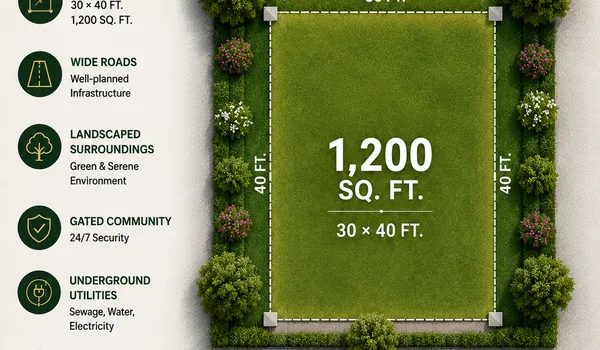
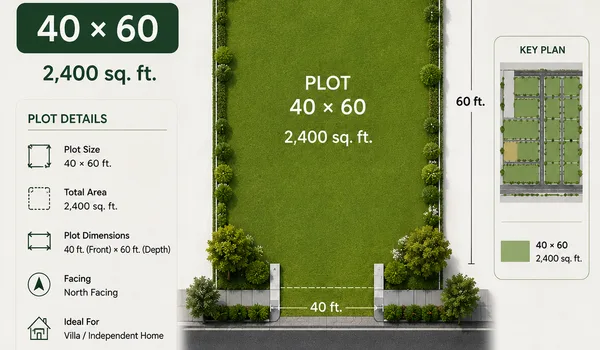
Why this matters for plotted layouts. In a plotted development you are buying a defined parcel of land whose exact area, boundary and internal road network are fixed by the layout the authorities sanctioned. Marketing sheets round figures and simplify maps. The K-RERA-registered layout is the version the sale deed is tied to — so a plot that sounds like "1,200 sq.ft" in a flyer is only truly 1,200 sq.ft if the registered plan says so. Verifying first means you never sign against a number that cannot be defended.

Step 1 — Open the Karnataka RERA Portal
Go to rera.karnataka.gov.in, the official state authority site. Ignore third-party aggregators and "RERA-listing" apps for the verification itself — they may be outdated or unofficial. On the portal home you will find menus for Registered Projects and Registered Agents. Everything you need to confirm a project's legitimacy lives inside these two public search tools, free to use and without login.
Step 2 — Search by Project or Promoter
Use the project search to look up the development by its registered name, or by the promoter/company name if the marketing name differs from the legal one. Districts in North Bangalore fall under the Bengaluru Urban / Bengaluru Rural jurisdictions, so filter by district if the free-text search returns too many results. A genuine, registered project returns a record card; a project you cannot find is either exempt, still under application, or not registered — and each of those needs an explanation from the seller before you proceed.
Step 3 — Read the Registered Layout and Sanctioned Plans
Open the project record and download the disclosure documents. For a plotted layout, the two you care about most are the approved/sanctioned layout plan and the schedule of the land. Cross-check these against what you were shown:
| What to check | Why it matters |
| Plot number, dimension & area | Must match the site you are booking, to the exact square foot |
| Total plots & layout extent | Confirms the phase and that your plot exists in the sanctioned plan |
| Land schedule & title | Shows the promoter holds clear, registerable rights over the land |
| Internal roads & open space | Verifies access and that common areas are not sold off as plots |
| Sanctioning authority approvals | Confirms the layout is legally cleared, not merely proposed |
If a boundary, plot count or area on the sanctioned plan differs from the brochure, the sanctioned plan wins. Ask the seller to reconcile the gap in writing.
Step 4 — Check Registration Status and Validity
Each project record shows a registration number, the registration validity period and the proposed completion date the promoter has committed to. Confirm the registration is live and not expired or revoked, and note the declared timeline — it is enforceable, and slippage against it is grounds for a complaint. Where a project is still being registered, treat any possession or completion date as proposed until the number is issued and the layout is published.
Step 5 — Verify the Agent and the Complaint Route
If you are dealing through a broker or channel partner, run their name or firm through the Registered Agents search. A registered agent has a valid agent registration number under K-RERA and is authorised to facilitate sales. Finally, note that the portal itself carries the grievance/complaint mechanism: if a promoter or agent misrepresents facts, sells against the sanctioned plan, or defaults on the committed timeline, you can file a complaint with the authority. Verification is not a one-time step — keep the registered documents for the life of your booking.
Why the Registered Layout Governs the Sale
The core principle is simple. A promoter can only lawfully sell what the authority sanctioned, and the sale agreement and deed must conform to the registered plan. That is why the registered layout — not a rendering, not a sales sheet — is the document your ownership ultimately rests on. Reading it before you book converts a leap of faith into an informed decision.
As a practical example, Bulwark Highgrove — a 10-acre gated plotted community at Dyavarahalli, near IVC Road, Devanahalli, North Bangalore, on the corridor toward Kempegowda International Airport — is registered under K-RERA number PR/010926/008897, so possession is 10-Apr-2028 as per that registration; the published layout governs each plot sale. You can track its status yourself on rera.karnataka.gov.in using the steps above, and read more on the project's own RERA page.
Frequently Asked Questions
1. How do I verify a project on Karnataka RERA?
Open the official portal at rera.karnataka.gov.in, use the Registered Projects search to look up the development by project or promoter name, then open the record to read the registration status, the sanctioned layout plan and the land schedule. Match every detail against what you were shown before booking.
2. What documents should I read on the K-RERA record?
For a plotted layout, focus on the approved/sanctioned layout plan, the schedule of the land and title details, the plot dimensions and count, and the internal road and open-space allocation. Also note the registration validity and the promoter's declared completion date, which is enforceable.
3. Why does the registered layout govern my plot purchase?
A promoter can only lawfully sell what the authority sanctioned, and the sale agreement and deed must conform to the registered plan. So if a brochure figure differs from the sanctioned layout, the registered plan prevails — it is the version your ownership is legally tied to.
4. How do I check whether an agent is RERA-registered in Karnataka?
Use the Registered Agents search on rera.karnataka.gov.in and enter the broker's name or firm. A registered agent holds a valid agent registration number and is authorised to facilitate sales. If they do not appear, ask why before you transact through them.
5. What if a project is not yet registered on K-RERA?
A project may be exempt, still under application, or unregistered. If it is under application, treat any possession or completion date as proposed until the number is issued and the layout is published. Bulwark Highgrove, for example, is registered under K-RERA number PR/010926/008897; its status is verifiable on the portal.
6. Can I file a complaint through the Karnataka RERA portal?
Yes. The portal carries a grievance mechanism, so if a promoter or agent misrepresents facts, sells against the sanctioned plan, or defaults on the committed timeline, you can lodge a complaint with the authority. Keep the registered documents you downloaded as your reference.
Explore Bulwark Highgrove