What is Devanahalli? Meaning, History & Why It Is Growing
Devanahalli is a historic town and taluk headquarters in the Bangalore Rural district of Karnataka, sitting about 40 km north of central Bangalore on the NH-44 highway. For most of its life it was a quiet fort town best known to historians; over the past two decades it has become one of the most talked-about growth corridors in the region. This guide explains what the name means, why the town matters historically, and how a single infrastructure decision reshaped its future.
In short. Devanahalli is the town on Bangalore's northern edge that hosts Kempegowda International Airport, the upcoming Devanahalli Business Park, and a widening ring of institutions and industry. It carries a 500-year-old fort and the birthplace of Tipu Sultan, yet today it is defined by airport-led growth. That mix of heritage and momentum is exactly why it draws home-buyers, investors, and plotted communities such as Bulwark Highgrove.

Where Is Devanahalli?
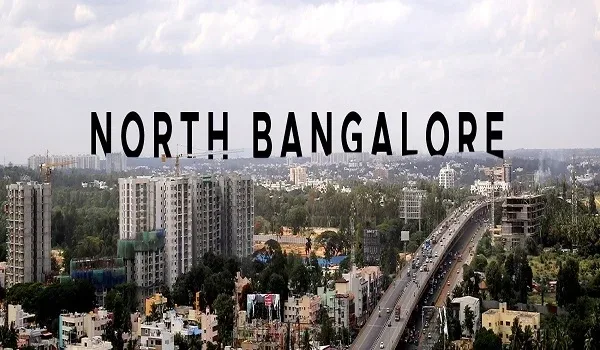
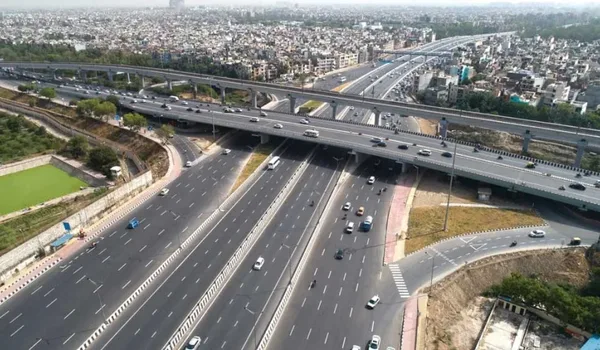
Devanahalli lies in North Bangalore, straddling NH-44 (the old Bellary Road / airport highway) and now intersected by the Satellite Town Ring Road (STRR) that loops around the wider metropolitan region. It functions as a taluk headquarters, so it has its own administrative offices, markets, and old-town core, alongside the newer development spreading along the highway. Because it is the last major town before the airport, everything moving north from the city — traffic, jobs, and land demand — passes through or settles around it.
The Meaning and History of Devanahalli
The name "Devanahalli" translates roughly as "the village (halli) of Devappa," after a local chieftain associated with the settlement's early history; the fort here dates to the early 16th century. The town's biggest claim to fame is that the Devanahalli Fort is the birthplace of Tipu Sultan, the 18th-century ruler of Mysore, born here in 1750. The fort's stone ramparts, bastions, and old temples still stand today and are a protected monument, making Devanahalli a genuine piece of Karnataka's history rather than a purely modern suburb. For centuries the local economy revolved around agriculture — grapes and silk in particular — and that rural character shaped the low-density land pattern that developers now build on.
How the Airport Transformed Devanahalli
The turning point was the opening of Kempegowda International Airport in 2008, built on land just outside the town. Overnight, a farming taluk became the gateway to one of India's busiest air hubs. The airport pulled in hotels, logistics parks, aerospace and hardware manufacturing, and a steady stream of professionals who needed to live nearby. Land that had been valued as farmland began to be valued as development land, and the highway frontage filled with plotted layouts, gated communities, and commercial projects. No other single event did more to change what Devanahalli is.
Devanahalli's Growth Engines Today
Beyond the airport, several large drivers keep the corridor expanding. The proposed Devanahalli Business Park and the surrounding aerospace and hardware zones aim to create a jobs base close to the runway. The STRR improves regional connectivity, and a cluster of international schools, hospitals, sports facilities, and a technology park has taken root within a short drive. The table below shows how close key destinations sit to the Devanahalli belt.
| Destination | Approx. drive time |
| Kempegowda International Airport | 26 min |
| Foxconn manufacturing campus | 10 min |
| KIADB IT Park | 10 min |
| Devanahalli Business Park | 10 min |
| Amity University | 5 min |
| Stonehill & Harrow International Schools | 5–10 min |
| Padukone-Dravid Sports Centre | 10 min |
Why Devanahalli Became a Real-Estate Growth Node
Put the pieces together and the reason for the property boom is straightforward. Devanahalli combines an international airport, a maturing jobs base, expressway-grade connectivity through NH-44 and the STRR, and a supply of relatively affordable, developable land — a combination that is rare so close to a metro of Bangalore's size. Buyers who cannot afford core-city rates find that a plot here offers both a place to build and a credible appreciation story tied to real infrastructure rather than speculation alone. That is why plotted development, in particular, has concentrated in this belt: land ownership is simple, entry costs are lower than a ready-built home, and the buyer keeps the upside on the land itself.
Devanahalli as an Address: One Example
To make the location concrete, consider a specific address within this corridor. Bulwark Highgrove is a 10-acre gated plotted community at Dyavarahalli, off Chapparakallu Road, near IVC Road and the STRR in Devanahalli, North Bangalore. It sits roughly 26 minutes from the airport and within short drives of the schools, hospitals, and employment hubs listed above — a working illustration of why buyers choose this part of the map. If you want to understand Devanahalli's connectivity in more detail, the airport corridor and connectivity pages go deeper.
Frequently Asked Questions
1. What is Devanahalli?
Devanahalli is a historic town and taluk headquarters in Bangalore Rural district, about 40 km north of central Bangalore on NH-44. It is best known today as the location of Kempegowda International Airport and as a fast-growing real-estate corridor.
2. What does the name Devanahalli mean?
The name translates roughly as "the village (halli) of Devappa," a local chieftain linked to the settlement's early history. The town grew around the Devanahalli Fort, built in the early 16th century.
3. Why is Devanahalli historically famous?
Devanahalli Fort is the birthplace of Tipu Sultan, the 18th-century ruler of Mysore, born here in 1750. The fort's ramparts and old temples still stand and are a protected monument.
4. Why did Devanahalli grow so quickly?
The opening of Kempegowda International Airport in 2008 turned a farming taluk into the gateway to a major air hub. That pulled in hotels, manufacturing, the proposed Business Park, and residential demand, supported by NH-44 and the STRR.
5. Is Devanahalli a good place to buy property?
Devanahalli combines airport access, a maturing jobs base, expressway connectivity, and relatively affordable developable land. That mix has made it a magnet for plotted communities, where buyers own the land and build their own home while retaining the appreciation on it.
6. What is an example of a project in Devanahalli?
Bulwark Highgrove is one example — a 10-acre gated plotted community at Dyavarahalli, near IVC Road and the STRR in Devanahalli, about 26 minutes from the airport. It illustrates the kind of plotted development that has concentrated in this corridor.
Explore Bulwark Highgrove