Devanahalli Locality Guide: Living, Connectivity & Real Estate
Devanahalli is a fast-growing airport-corridor suburb on North Bangalore's edge — roughly 15 minutes from the international airport, with growing job hubs and open, green surroundings — that today suits families and land buyers who are comfortable relying on a car for daily travel. Devanahalli has changed more in the last fifteen years than almost any other part of Bangalore. Once a quiet taluk town best known for its fort and as the birthplace of Tipu Sultan, it became the address of Kempegowda International Airport in 2008 — and everything downstream of that, from business parks to international schools to plotted layouts, followed. This guide is a practical, balanced look at what living in and around Devanahalli is actually like today, who it suits, and what a buyer should weigh before committing.
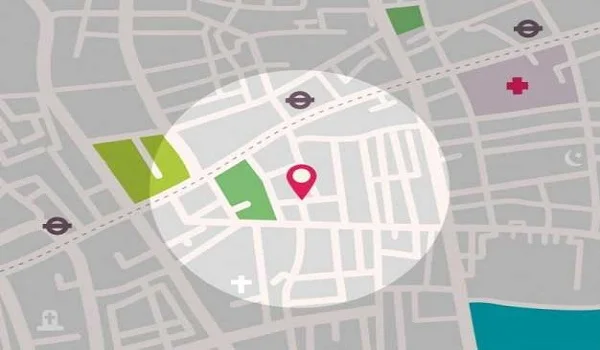
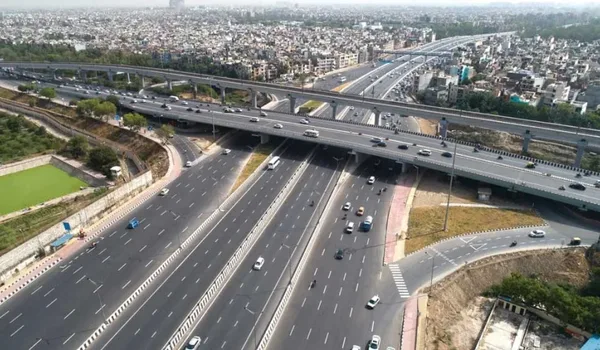
Where it sits. Devanahalli anchors the northern edge of Greater Bangalore, roughly 35–40 km from the city centre along NH-44 (the old Bellary Road). It is stitched together by three arteries that matter to buyers: NH-44 running straight to the airport, the Satellite Town Ring Road (STRR) forming an outer bypass, and IVC Road linking the industrial and residential pockets in between. That road grid, more than any single project, is what has pulled investment into the taluk.

Connectivity: The Airport Corridor Advantage
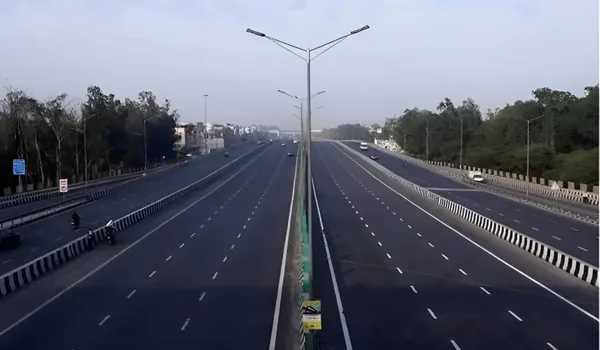
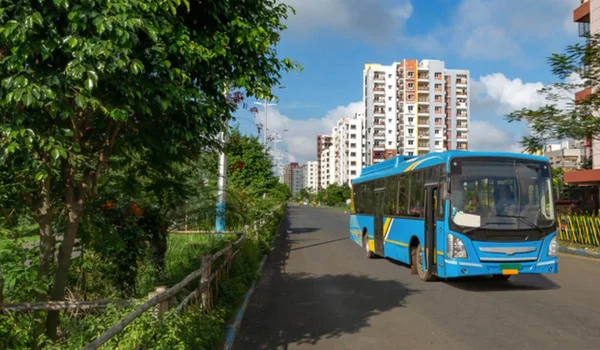
Connectivity is Devanahalli's headline strength. The airport is a 26-minute drive for most of the residential belt, which is a genuine differentiator for anyone who travels for work. NH-44 carries you into the city, while the STRR — now largely operational — lets you skirt Bangalore's core to reach Hosur, Hoskote and the eastern IT belt without threading through central traffic. IVC Road connects the interior layouts to both. The trade-off is honest: public transport is still thin this far out. There is no Namma Metro station in Devanahalli yet (the airport line terminates short of the taluk), so a household here effectively needs a car. Suburban rail and metro extensions are proposed, but a buyer should plan around road travel for now, not promised future lines.
Schools and Healthcare
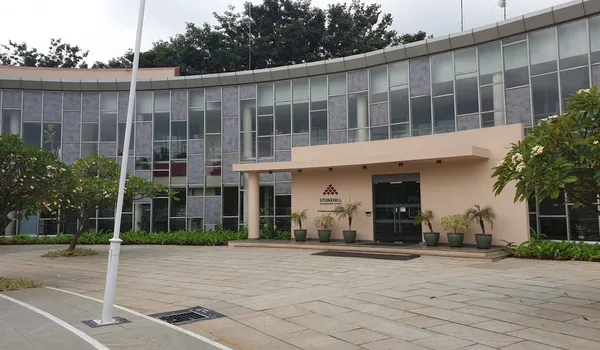
The social infrastructure has matured faster than most outlying suburbs. On education, the corridor already hosts Stonehill International School and Akash International, with Harrow International School and an Amity University campus within a few minutes of the newer layouts. That cluster of established and international curricula is unusual for the city's edge and is a real draw for families relocating with children. Healthcare is lighter but improving: Akash Hospital sits close by for day-to-day and emergency needs, and a fuller tertiary-care option such as Manipal is roughly 30 minutes away toward the city. For most routine care Devanahalli is now self-sufficient; for specialised treatment, residents still travel inward.
Jobs and the Economy
Devanahalli is no longer purely a bedroom suburb. The Devanahalli Business Park, the KIADB IT and aerospace parks, and a growing manufacturing base — anchored by large employers including Foxconn's plant nearby — have created local employment within a 20 to 40 minute radius of the residential pockets. The Bengaluru Airport City development around KIA is steadily adding office, hospitality and retail space. For a buyer, this matters in two ways: it shortens commutes for those working in North Bangalore, and it underpins the long-run rental and resale demand that makes land here more than a speculative bet.
Lifestyle and Surroundings
Weekend life leans on the north's open geography rather than malls. Nandi Hills, the region's favourite sunrise drive, is close enough for a spontaneous morning trip. Golf and sports are well served by Prestige Golfshire Club and the Padukone–Dravid Centre for Sports Excellence, both a short drive away. Everyday retail is functional rather than glamorous today — organised malls and large formats are arriving with the population rather than ahead of it. If you value greenery, cleaner air and space over the density and nightlife of central Bangalore, Devanahalli reads as a positive; if you want walkable urban buzz on your doorstep, it will feel quiet.
Property Types: What You Can Buy Here
Devanahalli offers a wider spread of formats than most established suburbs. Broadly, buyers choose between three routes:
| Format | Who it suits | Key consideration |
| Gated plotted land | Buyers who want to own land and build their own home, or hold for appreciation | Verify layout approvals and K-RERA registration |
| Independent-home & row-house projects | Families wanting a ready-built independent home | Higher entry price; less design freedom |
| High-rise homes | Buyers prioritising lock-and-leave convenience | Fewer options this far north; density still low |
Plotted, gated developments are the most common choice along the corridor because they let buyers own land at a defined rate and build to their own timeline while still enjoying shared roads, security and amenities. Bulwark Highgrove, a 10-acre gated plotted community at Dyavarahalli off Chapparakallu Road, is one example in this segment — you can read its plot sizes and location detail if you want to see how a project in this belt is structured.
Pros and Considerations Before You Buy
On the positive side: unmatched airport access, a maturing school and jobs ecosystem, cleaner surroundings, and land prices that still sit below the saturated southern and eastern corridors. On the side of caution: weak public transport today, retail and social density that is arriving rather than present, and a market where approval quality varies widely between layouts. The single most important step for a land buyer is documentary due diligence — confirm the DTCP/RERA-approved plan, the survey numbers and the registered layout before any payment. Karnataka RERA records can be checked at rera.karnataka.gov.in. Devanahalli rewards the buyer who verifies and thinks in years, not months.
Frequently Asked Questions
1. Is Devanahalli a good place to live?
For families and professionals who value airport access, international schools, cleaner air and space, Devanahalli is one of North Bangalore's most compelling suburbs. The main trade-off is that it is car-dependent today, with public transport and organised retail still catching up to the population.
2. How far is Devanahalli from Kempegowda International Airport?
Most of the Devanahalli residential belt is roughly a 26-minute drive from the airport via NH-44, with the STRR and IVC Road feeding into the corridor. That proximity is the locality's defining advantage for frequent travellers.
3. What schools are there in and around Devanahalli?
The corridor is unusually well served for the city's edge, with Stonehill International School, Akash International, Harrow International School and an Amity University campus all within a short drive of the newer layouts — a mix of international and mainstream curricula.
4. What kinds of property can you buy in Devanahalli?
Buyers can choose gated plotted land, independent-home and row-house projects, or high-rise homes. Plotted, gated communities are the most common route because they let you own land at a defined rate and build your own home while sharing roads, security and amenities.
5. Does Devanahalli have metro connectivity?
Not yet. Namma Metro's airport line terminates short of the taluk, and suburban rail and further extensions are proposed but not operational. For now, plan around road travel on NH-44, the STRR and IVC Road; a household here effectively needs a car.
6. What should I verify before buying land in Devanahalli?
Confirm the DTCP or RERA-approved layout plan, the survey numbers and the registered layout before any payment, and check the project's status on the Karnataka RERA portal (rera.karnataka.gov.in). Approval quality varies between layouts, so documentary due diligence is the most important step.
Explore Bulwark Highgrove